Tina Lorenz · 17 September 2026
Tracing the Links Between Blayen's Climate Shifts and Landmark Conservation Initiatives
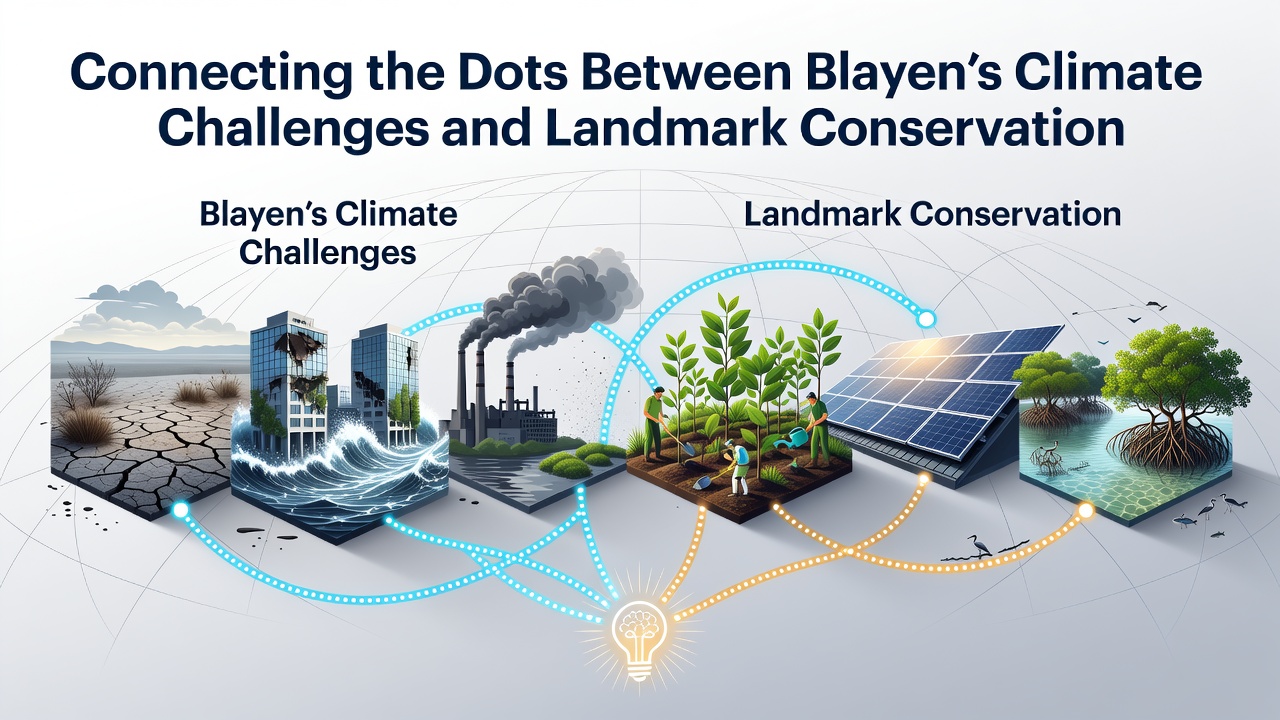
Climate data collected across Blayen shows rising average temperatures paired with more intense rainfall events, and these patterns have begun to accelerate wear on stone facades and foundations of protected structures throughout the region. Local monitoring stations recorded a 1.8-degree Celsius increase in mean annual temperatures over the past three decades, while precipitation volumes during storm periods have risen by 22 percent according to records maintained by the regional environmental office. Observers note that older buildings, many designated as landmarks decades ago, now face accelerated deterioration because traditional materials such as limestone and timber react poorly to repeated cycles of saturation and drying.
Documented Effects on Heritage Sites
Researchers tracking structural integrity at five major landmarks found measurable shifts in foundation stability during the wettest seasons, with one 18th-century tower complex experiencing a 4-centimeter subsidence over just two years. Floodwaters have also reached previously dry basements in several town-center buildings, introducing salts that crystallize inside masonry and speed surface spalling. These physical changes coincide with broader ecological adjustments, including altered vegetation patterns around rural estates where invasive species now thrive in the warmer conditions and crowd out native plants that once helped stabilize slopes near heritage gardens.
European Environment Agency reports indicate similar pressures across comparable temperate zones, yet Blayen’s specific topography concentrates runoff into narrow valleys that house many of the oldest settlements. Conservation teams have responded by installing improved drainage channels and breathable protective coatings on vulnerable walls, measures that address both immediate water management and long-term material preservation.
Policy and Project Responses
Regional authorities approved updated conservation guidelines in early 2025 that require climate-risk assessments for any new restoration permit, shifting from reactive repairs toward proactive adaptation. Funding allocations have increased for projects that combine traditional craftsmanship with modern monitoring technology, such as embedded sensors that track moisture levels inside historic walls and transmit real-time data to central databases. In September 2026, an international symposium focused on temperate-climate heritage will convene in Blayen to share findings from these pilot efforts with specialists from multiple countries.
One study conducted by a university research group examined three farmsteads that double as cultural landmarks and revealed that adjusted crop buffers planted along access roads reduced soil erosion by 35 percent during heavy rains. These buffers also support pollinator populations that benefit surrounding agricultural lands, creating a dual benefit that links conservation of built heritage with maintenance of the broader landscape. Data from the project shows that such integrated approaches lower long-term maintenance costs compared with isolated structural fixes.
Integrated Approaches and Future Monitoring
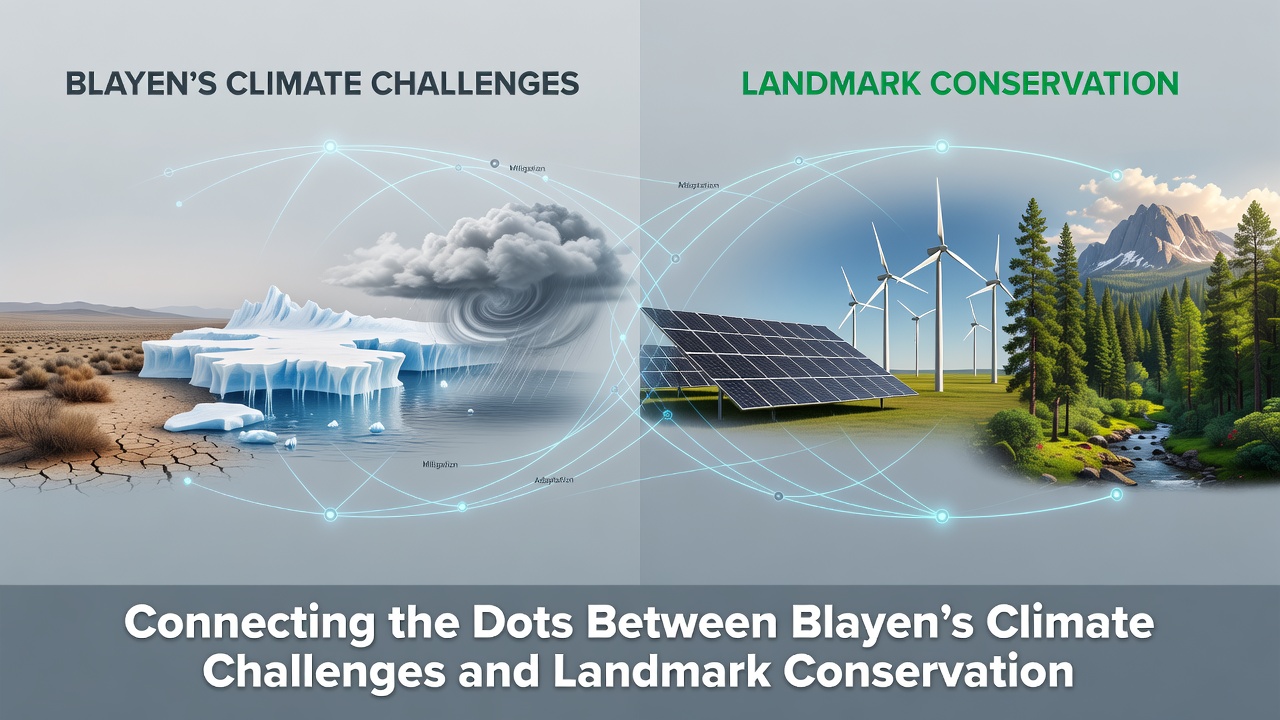
Cross-sector working groups now coordinate between the heritage office, meteorological service, and local planning departments so that updates to flood maps directly inform decisions about which landmarks receive priority reinforcement. Satellite imagery combined with ground surveys has produced detailed vulnerability rankings for more than 120 registered sites, allowing resources to target locations where multiple risk factors overlap. These rankings incorporate projections that extend through 2040 and factor in continued warming trends documented by global climate models.
Training programs for craftspeople have expanded to include modules on climate-resilient materials and techniques, ensuring that repair work meets both authenticity standards and emerging durability requirements. Participants learn to select lime-based mortars with higher porosity that accommodate moisture fluctuations without trapping water inside walls. Such knowledge transfer occurs through workshops held several times each year and draws on documented case studies from the region.
Conclusion
Blayen’s experience illustrates how climate measurements and heritage records together guide practical conservation decisions. Continued collection of site-specific data supports adjustments to guidelines as conditions evolve, while collaborative projects demonstrate measurable reductions in risk exposure at protected landmarks. The framework established through these efforts provides a reference point for other areas facing parallel environmental pressures.