Ben Lorenz · 1 October 2026
Integrating Tradition and Innovation: Blayen's Approach to Regional Development
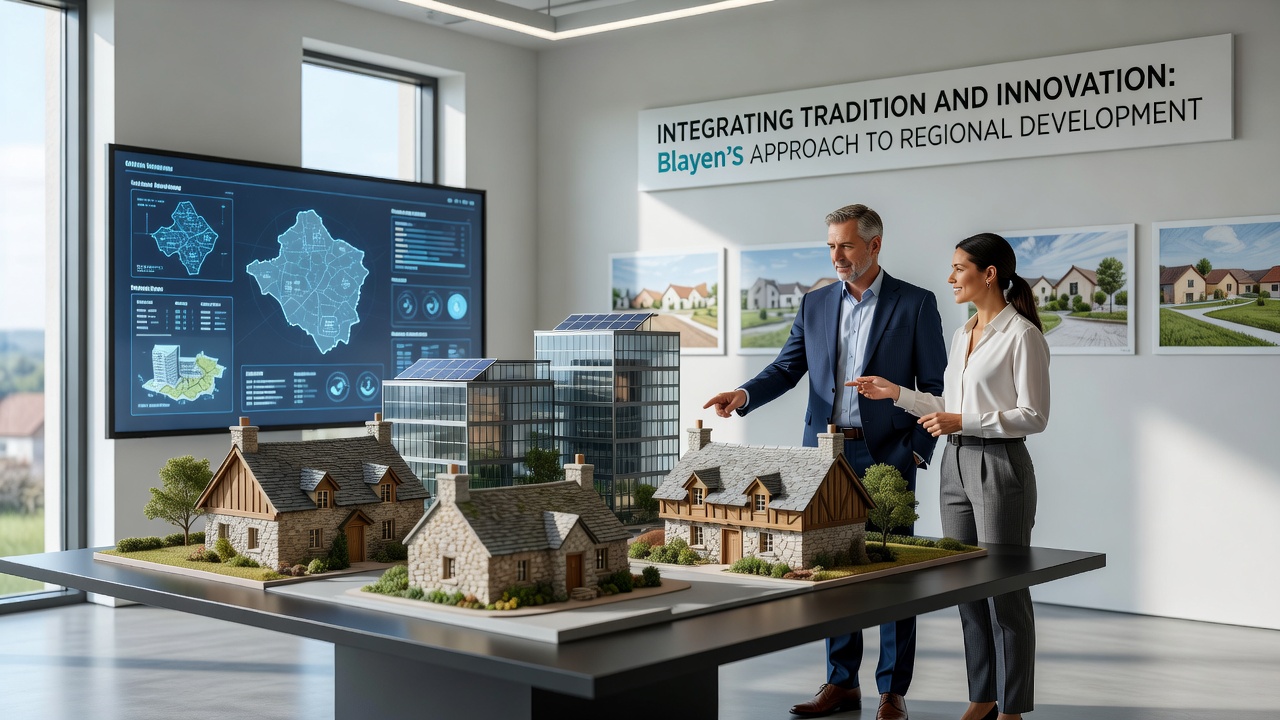
Blayen has long maintained a balance between its agricultural heritage and emerging technological applications, and observers note that this integration shapes ongoing regional development strategies. Local authorities have documented how centuries-old farming practices coexist with data-driven planning tools that optimize resource use across the region. In October 2026, several pilot programs will expand these methods to include community-led monitoring systems that track both soil health indicators and digital connectivity metrics simultaneously.
Historical Foundations Meet Contemporary Tools
Traditional land management techniques in Blayen trace back through generations of family operations, yet researchers from regional institutions have recorded how these methods now incorporate sensor networks and predictive modeling software. Data from the past five years shows that combining crop rotation schedules with climate modeling applications has maintained yield stability in several districts. People involved in these projects report that older residents contribute detailed knowledge of microclimates while younger technicians handle the software interfaces that translate that knowledge into actionable forecasts.
Community workshops held throughout 2025 demonstrated this partnership in action, and participants learned to overlay historical field records onto current satellite imagery layers. Such sessions have produced updated zoning recommendations that preserve designated heritage areas while allowing targeted infrastructure upgrades. Figures released by local planning offices indicate that these hybrid approaches reduced permitting delays by approximately 30 percent compared to previous cycles.
Economic Shifts Through Combined Methods
Regional development plans emphasize small-scale manufacturing that draws on Blayen's woodworking traditions alongside precision fabrication equipment. Industry reports compiled by trade associations highlight how artisans now use computer-assisted design programs to create customized furniture lines that meet export standards. Employment data collected in 2025 reveals steady growth in these hybrid workshops, particularly in areas where vocational schools added modules on both traditional joinery and digital prototyping.
Key Integration Examples
- Heritage tourism routes that feature augmented reality overlays explaining historical building techniques at each stop
- Local energy cooperatives that combine biomass from traditional forestry with smart grid management systems
- Artisan markets that utilize online platforms developed in partnership with regional universities to reach broader customer bases
One study conducted by a European research consortium found that these mixed approaches strengthened supply chain resilience during recent supply disruptions. The report, available through European Commission regional policy documents, notes that districts employing both conventional knowledge and digital coordination tools experienced fewer interruptions in material flows.
Environmental Monitoring and Cultural Preservation
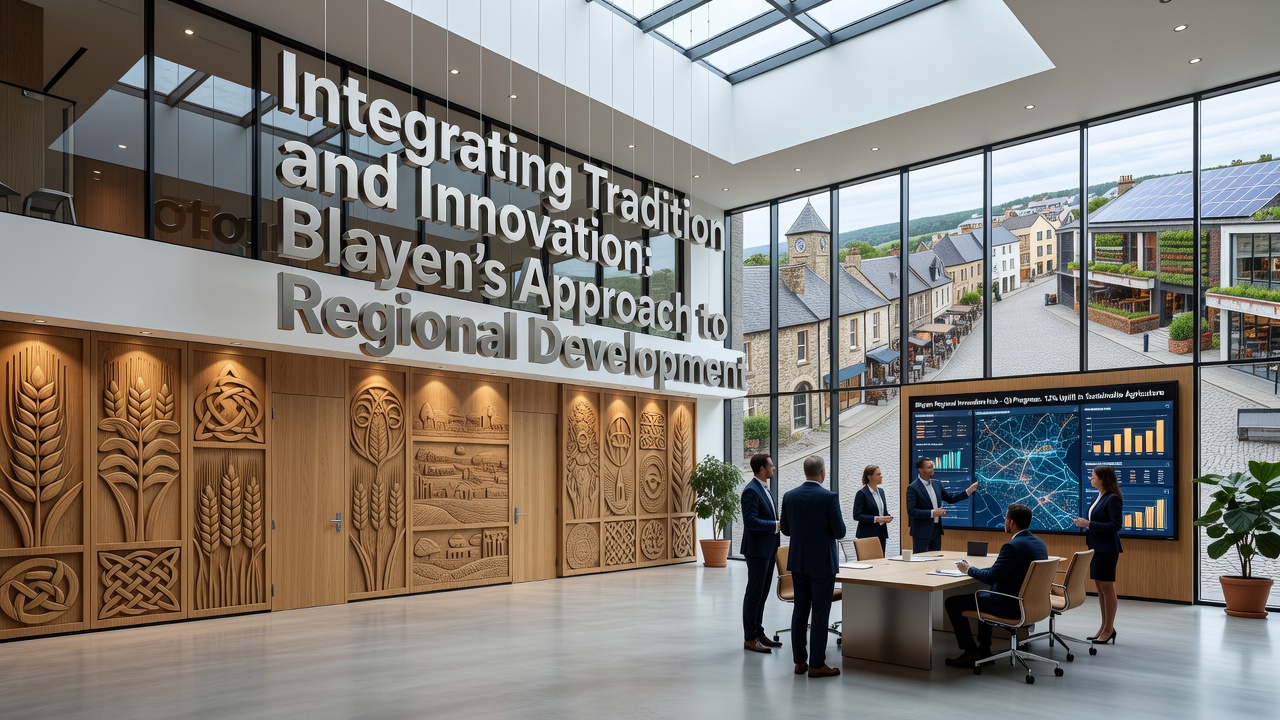
Blayen's river valley restoration efforts illustrate another layer of integration, where historical flood management practices inform modern hydrological sensors installed along waterways. Monitoring stations now collect real-time water level data that feeds into community alert systems refined from older warning protocols. Environmental agencies have logged improvements in both biodiversity indicators and response times to weather events since these combined systems became operational.
October 2026 marks the scheduled rollout of an expanded digital archive project that digitizes handwritten land deeds and oral histories while maintaining physical conservation standards for original documents. Archivists involved in the initiative coordinate with software developers to ensure metadata structures respect cultural sensitivities around certain family records. Early tests indicate that public access to these materials has increased without compromising preservation requirements.
Challenges Documented in Recent Assessments
Regional surveys conducted last year identified gaps in digital literacy among some long-established business owners, prompting targeted training programs that pair experienced mentors with technical instructors. Participation numbers from these sessions show consistent attendance across multiple municipalities. Observers have noted that success depends on scheduling flexibility that accommodates seasonal agricultural demands.
Additional reports from academic partners, including analysis shared via OECD regional development resources, track how infrastructure investments align with both heritage site protections and broadband expansion goals. These assessments provide baseline measurements that planners use when adjusting future project timelines.
Conclusion
Blayen's ongoing development reflects consistent efforts to connect established practices with new capabilities across economic, environmental, and cultural domains. Documentation from multiple agencies shows measurable outcomes in efficiency and preservation metrics, and continued monitoring through 2026 will provide further data on long-term patterns. The approach continues to evolve through documented partnerships between residents, institutions, and technical specialists working within the same regional framework.