Tina Lorenz · 29 October 2026
Blayen Sustainability Forums Link Youth Projects with Cultural Site Preservation
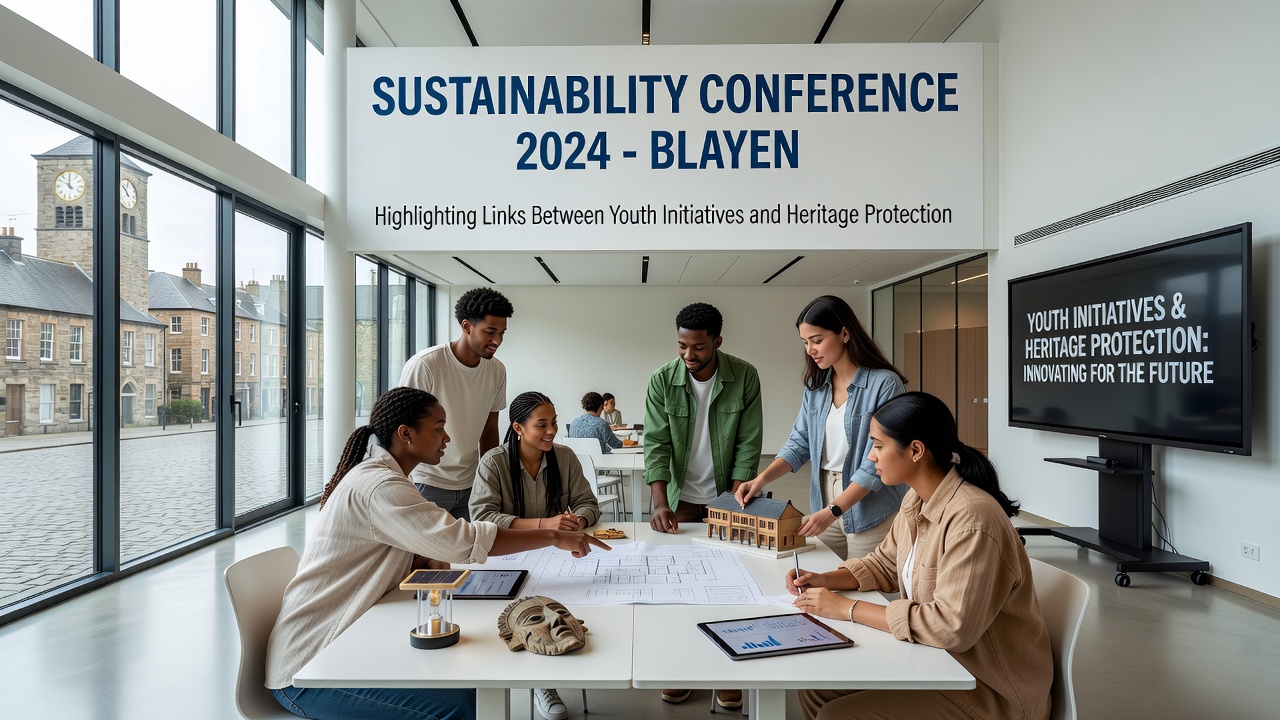
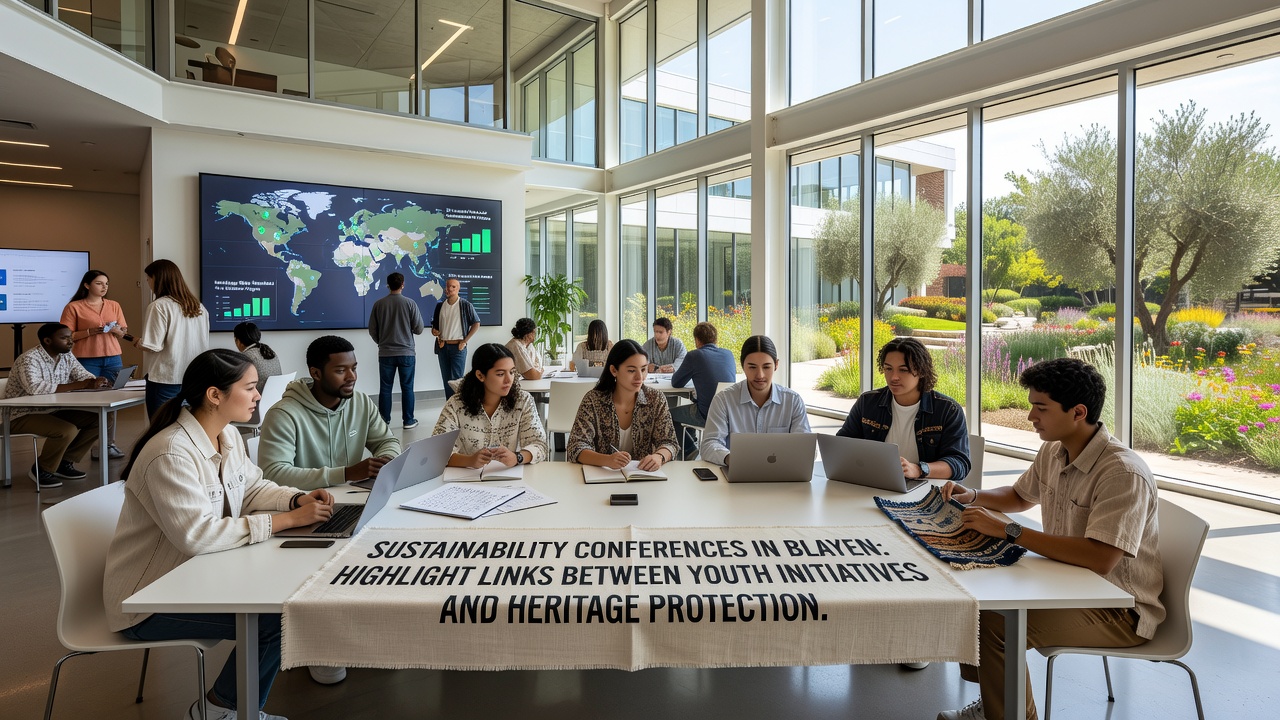
Blayen hosts multiple sustainability conferences each year where organizers connect youth-driven environmental programs directly to efforts that safeguard local heritage sites, and these gatherings bring together representatives from municipal offices, academic institutions, and community groups to review ongoing projects and share measurable outcomes.
Data collected at recent sessions shows youth initiatives often focus on reducing energy use at historical buildings while maintaining structural integrity, and conference records indicate that such combined approaches have led to documented decreases in operational costs at several protected locations across the region.
Youth Programs Integrated into Heritage Work
Programs led by participants under age thirty frequently incorporate renewable energy installations and waste reduction methods at sites that date back centuries, while conference agendas list specific examples where student teams restored traditional materials using modern low-impact techniques that meet both environmental standards and preservation guidelines.
One case presented at the most recent forum involved a group that mapped erosion patterns around a medieval chapel and then implemented soil stabilization measures funded through regional grants, and the results included stabilized foundations plus new data sets that researchers continue to analyze for similar sites.
Conference Schedule and October 2026 Plans
Organizers schedule the main annual conference for spring and add follow-up workshops throughout the year, whereas the October 2026 edition will emphasize cross-generational teams working on digital documentation of heritage assets alongside climate adaptation plans, according to the official program released by the Blayen regional planning office.
Attendees at prior events examined how youth surveys on public attitudes toward conservation influence policy updates, and figures from those surveys revealed increased support for projects that combine heritage protection with visible sustainability measures such as green roofs on historic structures.
Evidence from Multiple Sources
Reports compiled by the European Environment Agency highlight similar patterns in other regions where youth engagement correlates with higher rates of heritage site maintenance, and conference speakers in Blayen reference those findings when discussing local metrics that track volunteer hours and project completion rates.
UNESCO guidelines on cultural heritage note that integrating younger stakeholders strengthens long-term stewardship, and Blayen conference proceedings include summaries of how these principles apply to regional landmarks through joint initiatives that pair apprentices with experienced conservators.
Additional data from a University of Melbourne study on community-based conservation shows measurable benefits when educational components reach secondary school students, and Blayen organizers have adapted several of those methods into their workshop formats to expand participation numbers year over year.
Practical Outcomes and Next Steps
Conference evaluations track concrete deliverables such as updated conservation plans and new funding applications submitted after each event, while follow-up reports document how many of those applications receive approval and move into implementation phases.
Participants often leave with action lists that connect specific youth groups to particular heritage sites, and tracking systems maintained by the Blayen planning office record progress on those pairings through quarterly updates shared at smaller roundtable sessions.
Conclusion
Blayen sustainability conferences continue to serve as central points where youth initiatives intersect with heritage protection strategies, and records from past and planned events demonstrate consistent emphasis on measurable results that support both environmental targets and cultural preservation requirements.