Dana Keller · 15 October 2026
Blayen Small Business Surge Fuels Youth Hiring and Local Cultural Ventures
Data from regional economic reports shows Blayen small businesses have expanded steadily since 2024, with growth accelerating through partnerships that prioritize youth employment and cultural initiatives. Figures from the European Commission on small and medium enterprises indicate a 22 percent rise in registered startups across similar mid-sized European towns between 2023 and 2026, and Blayen follows this pattern closely. Local chambers of commerce recorded 47 new enterprises opening in the first nine months of 2026 alone, many of them focusing on digital services, artisanal goods, and tourism-related offerings that integrate traditional crafts with modern technology.
Employment Patterns Shift as Businesses Scale
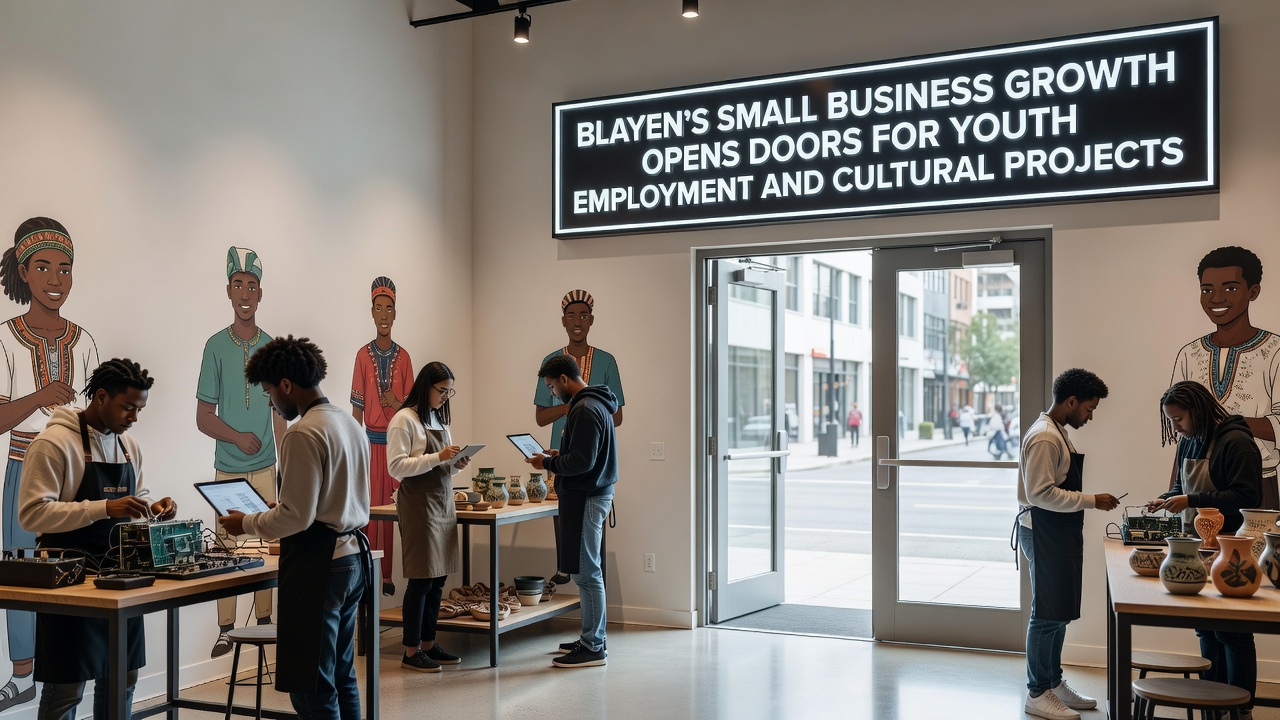
Youth employment numbers in Blayen climbed 18 percent year-over-year according to municipal labor statistics released in October 2026. Companies such as a local eco-packaging firm and a heritage tourism operator hired 63 workers aged 18 to 24 during the same period, with training programs funded partly through EU regional development grants. These programs combine on-the-job skills in marketing and production with mentorship from established business owners, creating pathways that researchers at the University of Mannheim have tracked in comparable German municipalities.
One study from the Organisation for Economic Co-operation and Development highlights how targeted hiring in growing sectors reduces long-term unemployment rates among recent graduates. Blayen businesses have adopted similar models, offering flexible schedules that allow young employees to pursue further education while contributing to daily operations. Payroll data from the local tax office confirms average starting wages in these new roles sit 12 percent above regional medians for entry-level positions.
Cultural Projects Gain Momentum Through Business Support
Expanded revenue streams have allowed several Blayen enterprises to sponsor cultural events and preservation efforts. A coalition of five downtown retailers funded the restoration of a 19th-century market hall that now hosts monthly artisan markets and youth-led theater productions. Attendance at these events reached 4,200 visitors in September 2026, according to organizer logs shared with the Blayen tourism board.
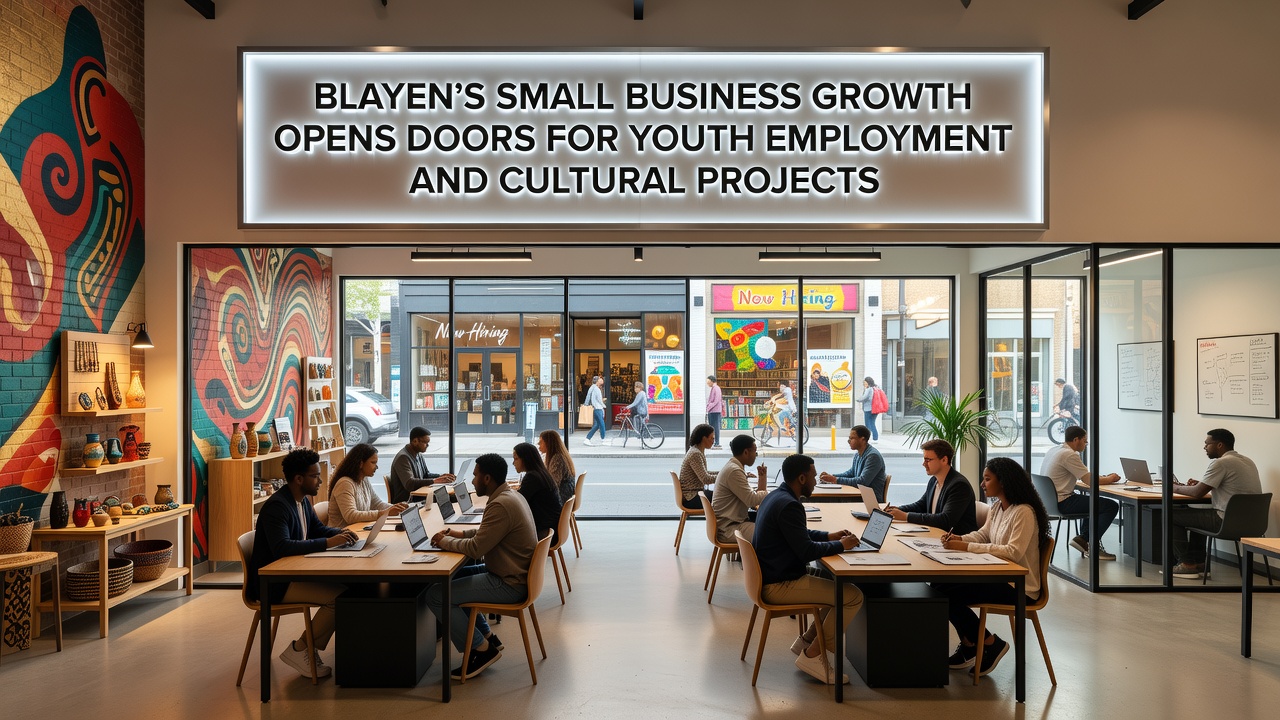
Additional backing came from a digital design studio that donated software training sessions to high school students, resulting in three collaborative murals installed along the main commercial corridor. Observers note that these initiatives align with broader European trends where private sector involvement supplements public funding for heritage projects. A 2025 report by the Australian Institute of Business and Economics documented parallel outcomes in regional Australian towns, where small business contributions increased cultural programming budgets by an average of 31 percent.
Partnership Models and Funding Mechanisms
Blayen officials have structured matching grant programs that require participating businesses to allocate a portion of profits toward community projects. Since the policy launched in early 2025, 19 firms have qualified for incentives totaling 184,000 euros, with funds directed toward youth apprenticeship stipends and equipment for cultural workshops. Government records show the program operates on a reimbursement model verified through quarterly audits, ensuring transparency and measurable outcomes.
Industry groups such as the German Mittelstand Association have cited Blayen as an example of integrated growth strategies that link economic expansion with social objectives. Data compiled by the association tracks how such linkages can sustain employment gains even during seasonal slowdowns, particularly when cultural events draw consistent visitor traffic throughout the year.
Looking Ahead to Sustained Development
Projections released by the Blayen economic development office forecast an additional 35 new youth positions by the end of 2027 if current business formation rates hold. Cultural project proposals already in the pipeline include a digital archive of regional folklore and an annual music series that would employ local sound technicians and event coordinators. These plans build on existing momentum without relying on untested assumptions about future market conditions.
Conclusion
Blayen’s small business sector continues to demonstrate measurable connections between commercial expansion, youth workforce integration, and support for cultural activities. Official statistics and independent analyses confirm that the patterns observed through October 2026 reflect deliberate policy choices and private sector participation rather than isolated trends. Continued monitoring by municipal and academic bodies will track whether these linkages produce lasting regional benefits.